-
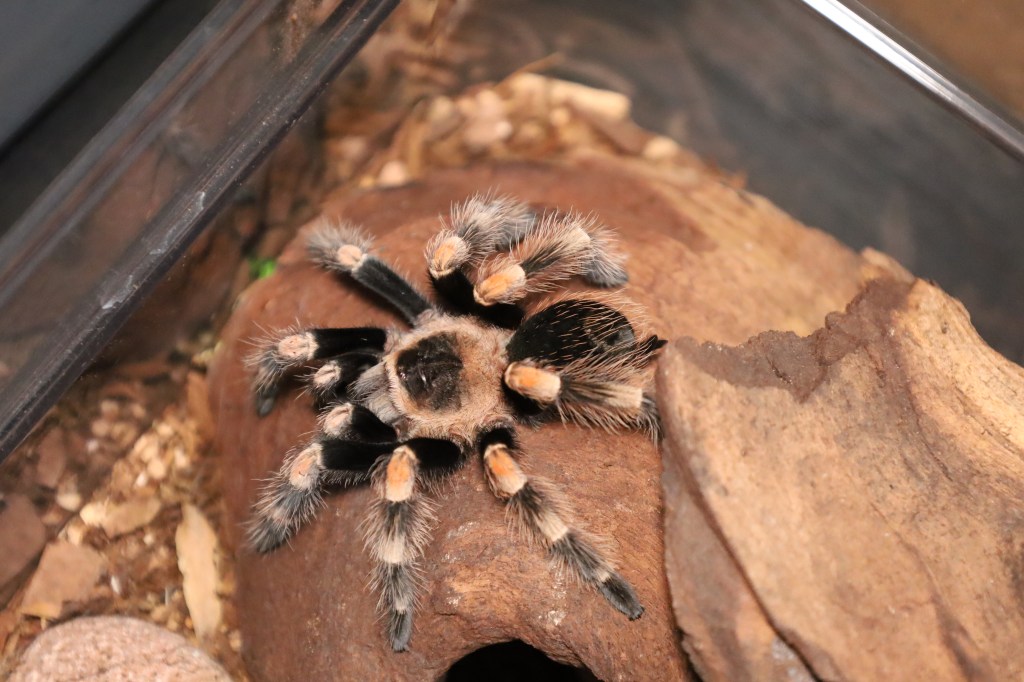 Continue reading →: Why Heat Has a Place in How I Keep Tarantulas
During my time keeping tarantulas, I have made no secret that I personally don’t adhere to the commonly quoted practice of ‘if you’re comfortable, they’re comfortable’ when it comes to tarantula care. I feel that this approach encourages keeping tarantulas at sub-optimal temperatures that run contrary to what research has shown about their temperature preferences.…
-
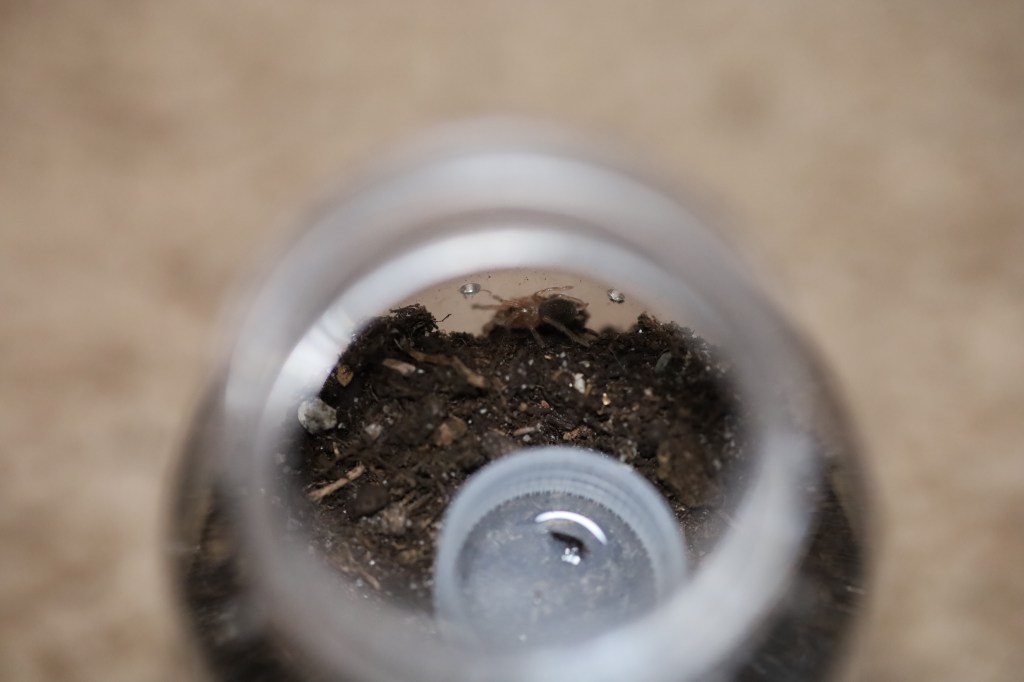 Continue reading →: The Importance of Risk Assessment and Critical Thinking in Tarantula Care
There are two things you will encounter often in tarantula care (or any pet care, really). One is the mentality of “It hasn’t happened to me, therefore the danger isn’t real,” and the other is “It happened to me, therefore it will happen to everyone.” People will often be more heavily influenced by a single…
-
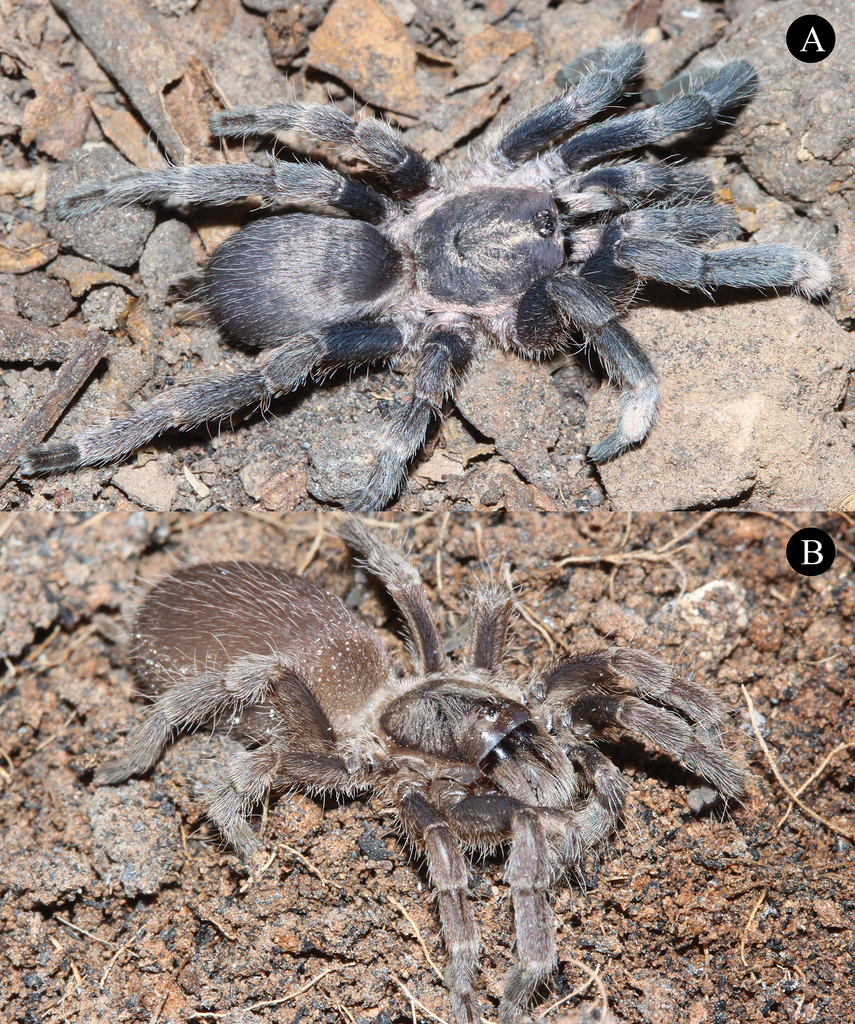 Continue reading →: Responsible Sourcing of Pet Tarantulas
Did you know that new tarantula species are still being discovered to this day? Meet the diminutive Phlogiellus khampheng, only just discovered and formally described in ZooKeys July of 2025. This Asian dwarf tarantula only grows to about 7.9–11.8 mm (about 0.3–0.5 inches) in body length. It’s easy to see how this little one went…
-
Continue reading →: The Dangers of Overfeeding Your Tarantula
Overfed tarantulas are a common occurrence in the hobby, and one that many new keepers are entirely unaware when they are mistakenly contributing to it. Many have entered the hobby with little experience in arachnids outside of more commonly encountered true spiders they may have seen, such as various house spiders, cellar spiders, orb weavers,…
-
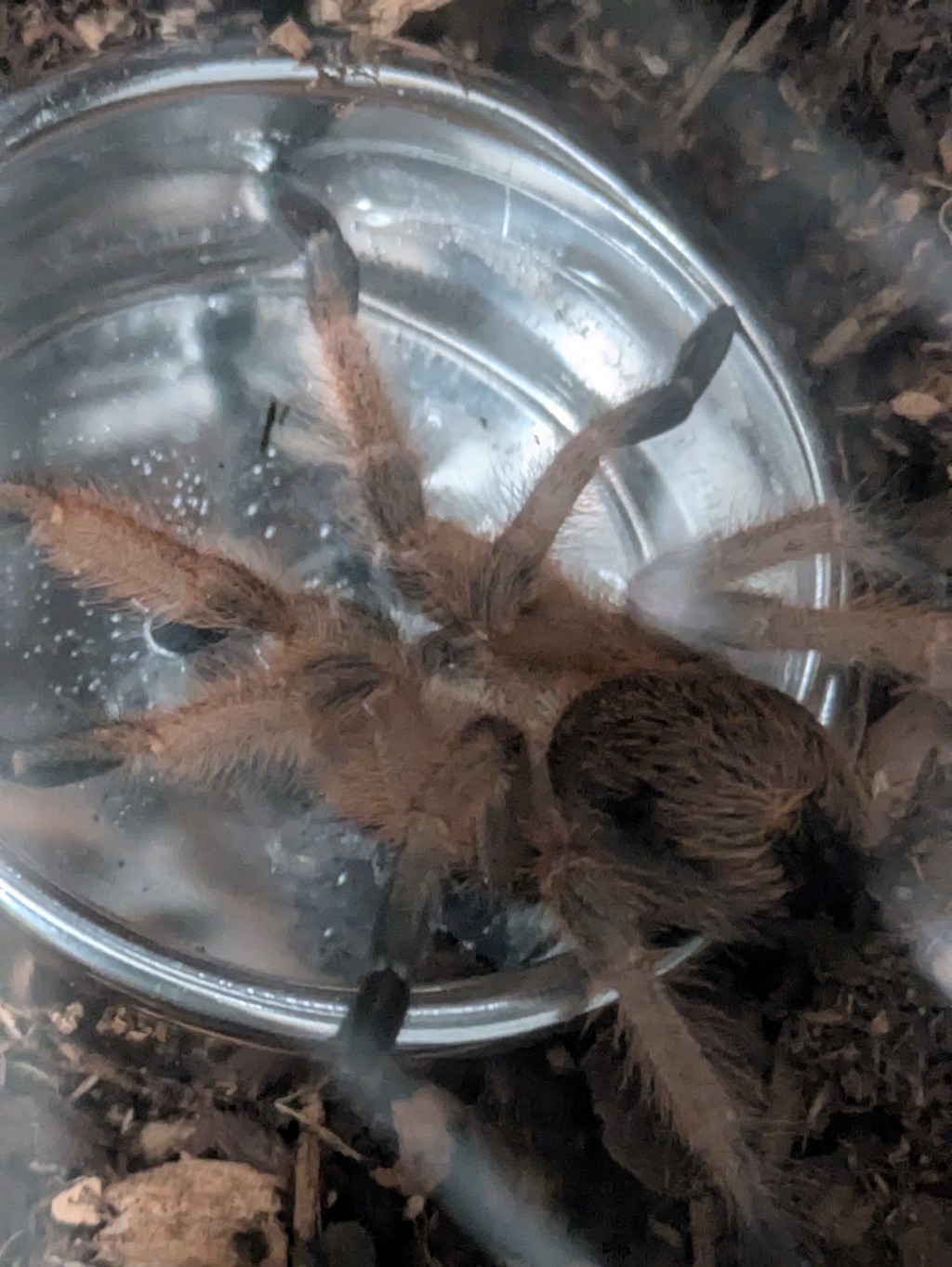 Continue reading →: The Importance of Water Dishes
Should you provide a water dish to your tarantula? I personally advocate strongly in favor of always providing a water dish to your tarantula. My reasoning is quite simple: it is better to have it and not need it, than to need it and not have it. Tarantulas require hydration. While keepers sometimes mist, drip…
-
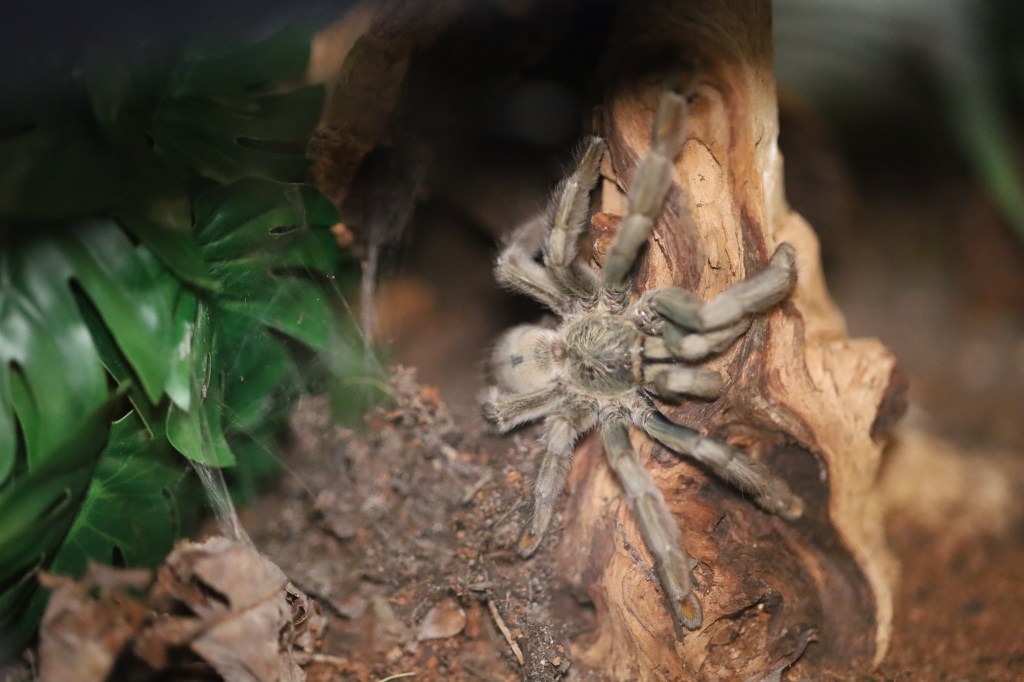 Continue reading →: Nighttime Wanderers
There is a commonly circulated belief that tarantulas do not require large enclosures because they won’t use the space. It is often said that they will rarely venture more than a few inches from their burrow or web for the entirety of their life. And for some species, this is absolutely true. But there are…
-
Continue reading →: Understanding DKS
There are few things that we fear more than things we don’t understand. DKS is no exception. Post a video online of a tarantula displaying abnormal movement, and you will invariably see a string of ‘it’s DKS, there’s no cure’ responses play out. Unfortunately this rush to immediately reach for this label is dangerous and…
-
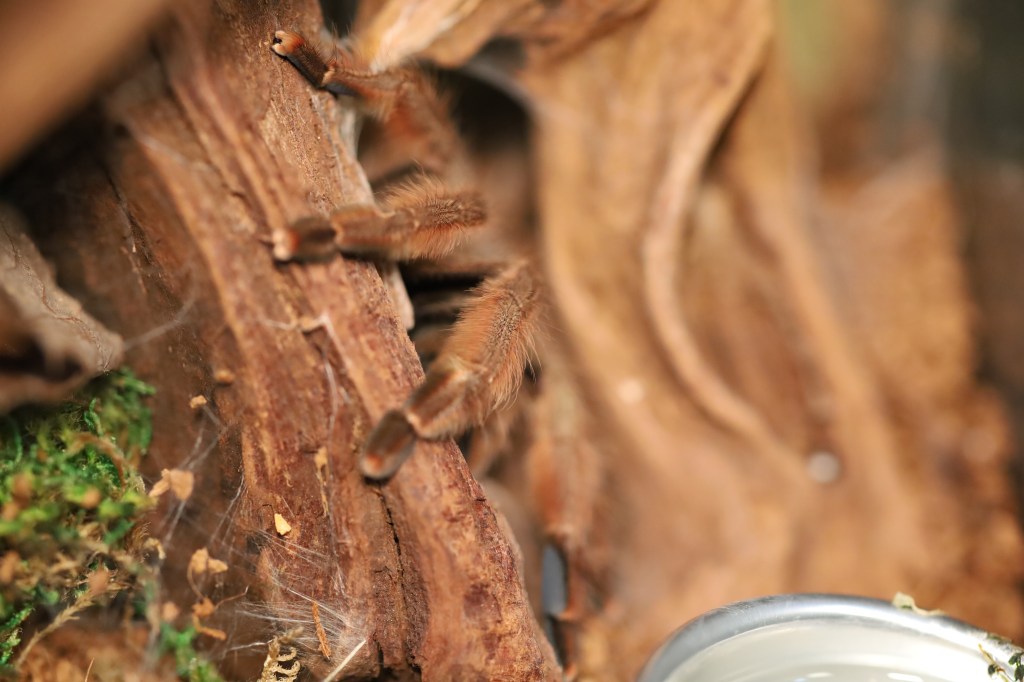 Continue reading →: Moisture vs Humidity
Moisture and humidity are very commonly mixed up, but they refer to very different environmental conditions. It is very important to understand the distinction if you are to be able to establish safe and healthy enclosure conditions for your tarantulas. Moisture is how much water is in the substrate or on the physical surfaces inside…
-
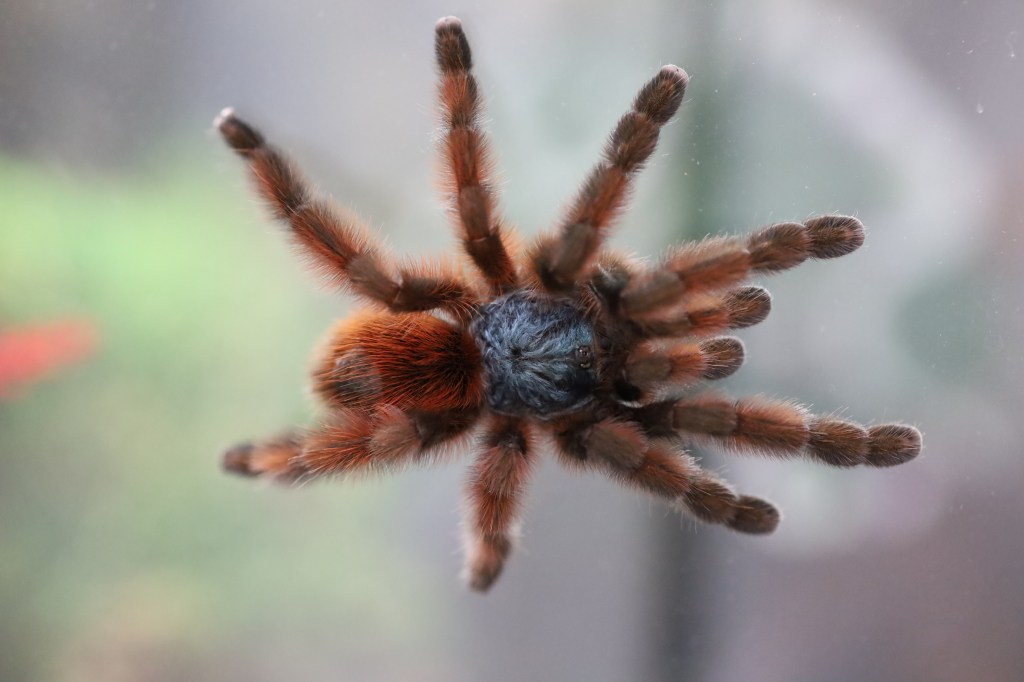 Continue reading →: The Invisible Dangers of Stagnant Air
Many keepers are familiar with the concept that damp enclosures can encourage mold growth, but there are additional components in play that are frequently overlooked. In stagnant setups, a deadly cocktail of gases can accumulate without any visible signs. When organic matter breaks down, it releases carbon dioxide (CO₂). If anaerobic bacteria are present (as…
-
Continue reading →: Feeding Your Tarantula: The Guidelines
Feeding is one of the most frequently asked-about topics in tarantula keeping, and with hundreds of described tarantula species, there is unfortunately no “one-size-fits-all” feeding schedule. Because tarantulas are ectothermic, their metabolism can fluctuate greatly depending on the temperature of their environment. That means their appetite and rate of growth are just as variable even…
Spider Odyssey
Greetings,
I’m Lynn
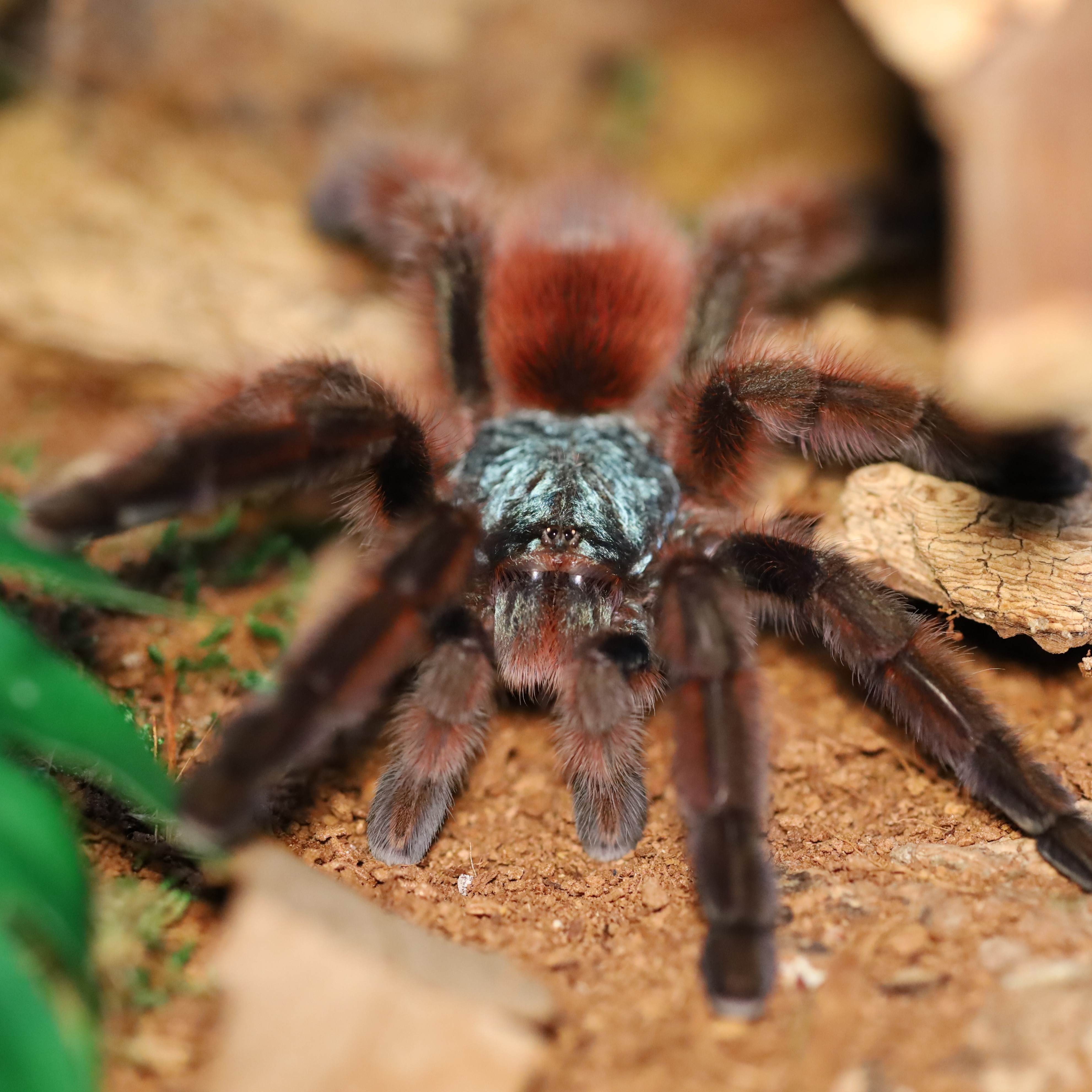
Welcome to Spider Odyssey. I invite you to join me on my personal journey of discovery into better understanding tarantula behavior and husbandry. Together we can explore what makes each species truly unique, and refine our understanding of these amazing and understudied creatures.
Follow my journey!
Stay updated with my latest observations and discoveries by joining our newsletter.
 Spider Odyssey