Many keepers are familiar with the concept that damp enclosures can encourage mold growth, but there are additional components in play that are frequently overlooked. In stagnant setups, a deadly cocktail of gases can accumulate without any visible signs.
When organic matter breaks down, it releases carbon dioxide (CO₂). If anaerobic bacteria are present (as they often are in damp conditions), they can produce methane and hydrogen sulfide. Ammonia can be built up from insect waste, decomposition of substrate bacteria, and the remains of partially eaten prey items.
This can be especially devastating to more sensitive arboreal species that are acclimated to living in relatively dry environments up in tree canopies with plenty of fresh air. In captivity they are often housed in damp environments that inadvertently encourage this dangerous mix of trapped gases.
As oxygen is slowly displaced, tarantulas can begin to display symptoms of being unwell. Lethargy, lack of coordination, falling to the bottom of their enclosures, seizures, and lack of interest in food are all commonly associated with stagnant air.
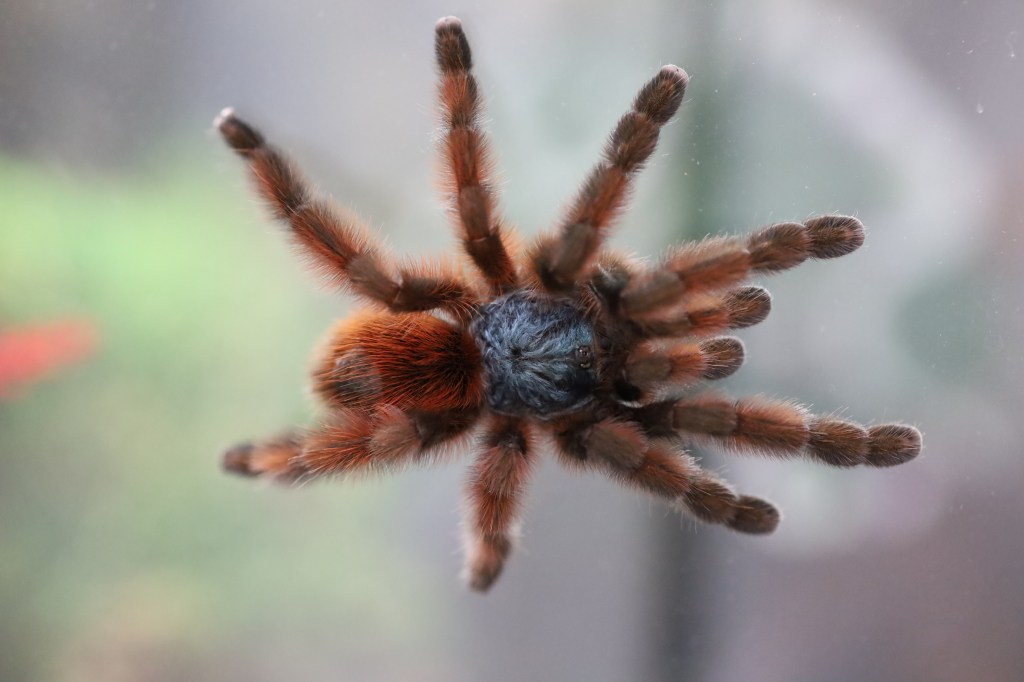
In this demonstration I utilized mist to create a visual replication of how air stagnation can occur in even well ventilated enclosures. Without air movement, the amount of air exchange that occurs through ventilation holes is a gradual process. If you add too much moisture to an enclosure, the amount of humidity generated will rapidly exceed your rate of air exchange.
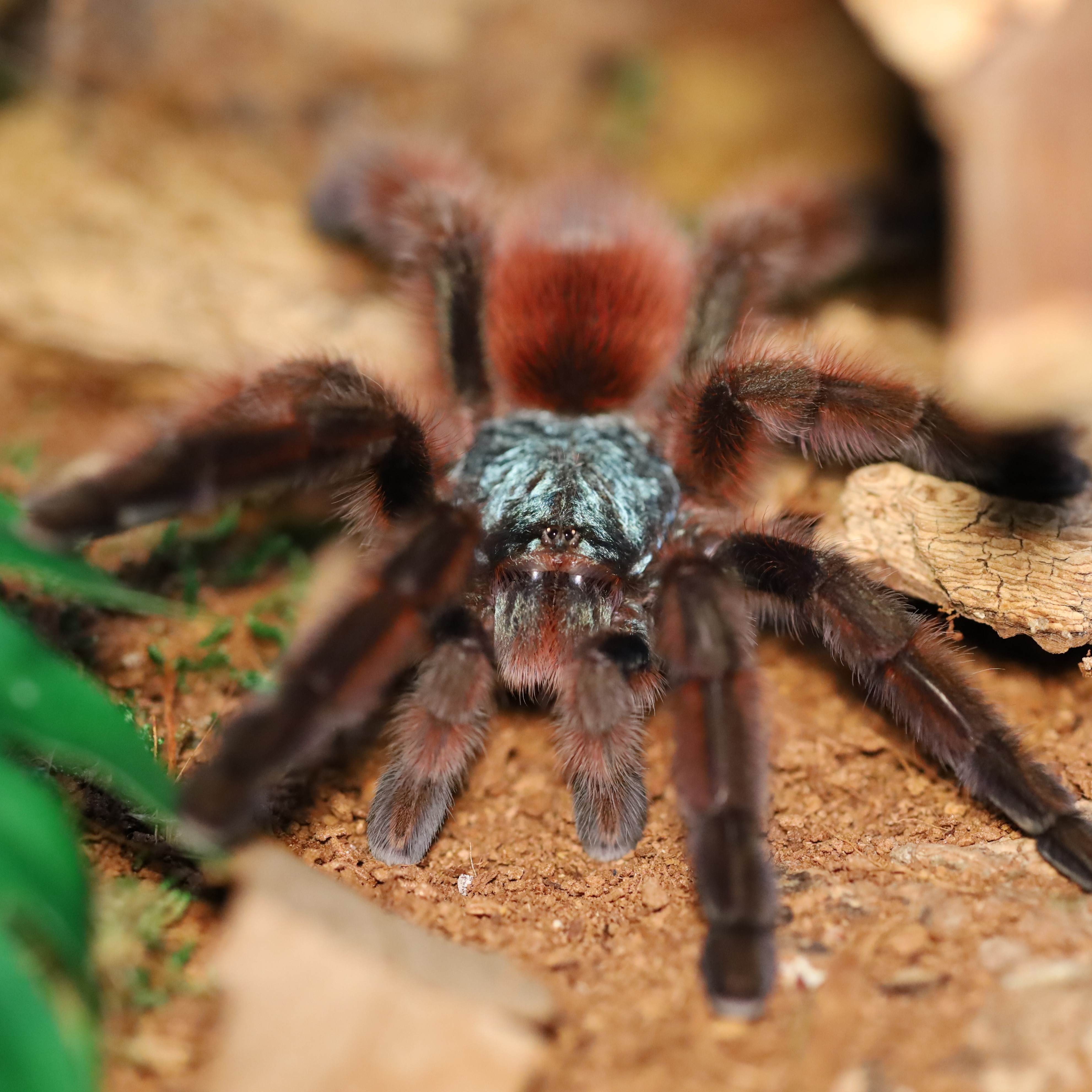
Caribena versicolor and species from the Avicularia genus in particular have a reputation for being difficult to raise. When one dies, it is far too often waived off as “it just happens sometimes, even when you do everything right.” For a time, it was so prevalent that the term “Sudden Avic Death Syndrome” was coined. This, unfortunately, does nothing to help people learn from their mistakes or to prevent future deaths.
The truth of the matter is that healthy avicularia and versicolors don’t routinely die for no reason. “Sudden Avic Death Syndrome” wasn’t a mysterious ailment or a failure to thrive. It was sadly the direct result of avics inadvertently being kept in stagnant, oxygen-deprived conditions.
To raise sensitive species, it’s crucial to remember that they are living in an enclosed space. Minimal moisture is required to generate humidity within that space. Care should be taken to keep the surfaces of their environment largely dry to discourage stagnation, because even with ventilation, many harmful gases are heavier than air. They settle and linger, particularly if airflow isn’t actively circulating.
You will find that a water dish, with a small amount of water either overflowed from it, or occasionally poured into one corner of the enclosure while leaving the rest of the enclosure dry is typically going to be plenty sufficient to create healthy and stable environmental conditions when keeping something in a small enclosure. If you have an enclosure that does require additional water (such as a planted enclosure), maintaining good air flow in the room, and additional ventilation on your enclosure can avoid the risk of air stagnation.
I will be publishing a fuller guide on airflow and ventilation soon, but this topic has been the direct result of far too many tarantula deaths, so I felt that it warranted its own post.
 Spider Odyssey
Leave a comment