Did you know that new tarantula species are still being discovered to this day?
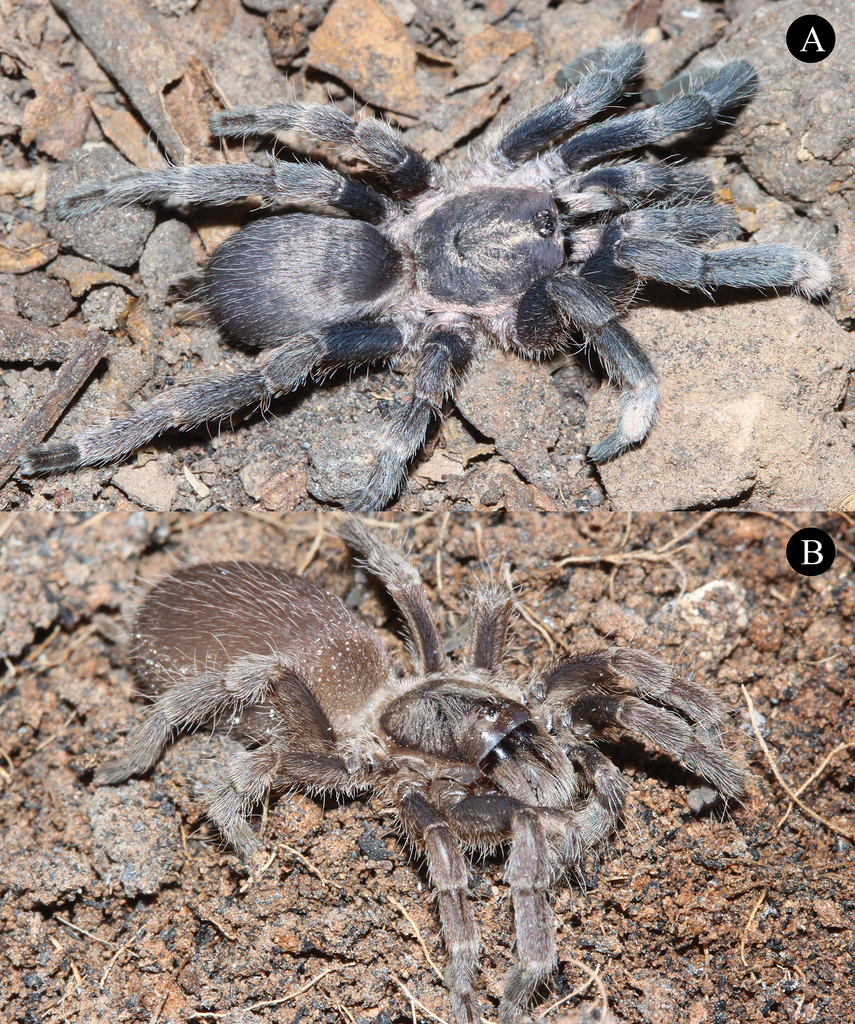
Meet the diminutive Phlogiellus khampheng, only just discovered and formally described in ZooKeys July of 2025. This Asian dwarf tarantula only grows to about 7.9–11.8 mm (about 0.3–0.5 inches) in body length. It’s easy to see how this little one went undiscovered for so long!

Unfortunately while new discoveries are exciting, they don’t just spark scientific excitement. Within the pet trade, allure for novelty often spills into demand the moment a new species is discovered.
With that demand comes a market for both exploitation, and for illegal wildlife trafficking.
The desire to acquire novel, new, or rare species in the pet trade frequently outpaces ethical and legal routes to getting captive populations established in environmentally conscious ways. The result? Wild populations get targeted for large scale collection. In the case of popular species with limited habitat ranges (such as the critically endangered Poecilotheria metallica), this can have devastating affects.
Just earlier this year, German Customs intercepted a shipment of tarantulas being smuggled from Vietnam. Roughly 1,500 tarantulas were discovered in that single shipment originating from a single location in the world.
Sadly, tens of thousands more are trafficked every year, and many of them don’t survive the long journeys through illegal channels.
As tarantula keepers, it goes without saying that we love tarantulas. But that love of tarantulas also means protecting them in the wild as much as in our homes. So, what can we do to help?
Buy captive-bred only. Not sure if the tarantula you’re purchasing is captive-bred? Ask questions. Responsible sellers will be transparent about the origins of their tarantulas.
Avoid novelty hype. When new species enter the pet trade, be patient and allow time for legally established stock to grow. This reduces the incentive for traffickers to inject wild-caught animals into the trade.
Educate others. Many people enter the tarantula hobby completely unaware of the heavy market for illegally or irresponsibly sourced tarantulas. Spreading awareness helps others to make responsible choices.
Support conservation groups. While we may not always be able to personally go out and be involved in conservation efforts, we can still make a difference by making donations to reputable organizations or by spreading awareness about their missions.
And lastly, don’t collect tarantulas from the wild. It’s easy to think “It’s just one tarantula” but it never ends up being just one. It becomes the accumulated total of everyone who thought that same thing, paired with loss of future reproductive potential for each of the individuals removed.
 Spider Odyssey
Leave a comment